
Views: 17
Macro Photography: Incredible Details of Nature


10
Macro photography reveals a hidden universe of extraordinary beauty. From the delicate patterns of butterfly wings to sparkling water droplets on leaves, it transforms everyday natural subjects into breathtaking works of art.
Below is a complete, WordPress-ready article for Bin3aiah Gallery, with photography guidance, image ideas, SEO metadata, and tags.
Macro Photography: Exploring Nature’s Hidden World
What Is Macro Photography?
Macro photography is the art of photographing small subjects at very close distances, revealing textures, colors, structures, and patterns that are difficult to appreciate with the naked eye.
True macro photography generally refers to a magnification ratio of 1:1 or greater, meaning the subject appears at life size or larger on the camera’s sensor.
Canon Academy
+1
1. The Extraordinary World of Insects


9
Butterflies, bees, beetles, and dragonflies offer some of the most fascinating macro photography opportunities. Their tiny bodies contain intricate structures, from multifaceted eyes to microscopic hairs and colorful wing scales.
Photographing insects requires patience, careful focusing, and respect for their natural behavior.
2. Flowers: Nature’s Living Masterpieces


8
A flower viewed up close becomes an extraordinary landscape of color and texture. Pollen grains, delicate petals, and complex reproductive structures create compositions that can resemble abstract paintings.
Soft natural light helps preserve fine textures while revealing subtle color transitions.
3. Water Droplets: Tiny Natural Lenses


14
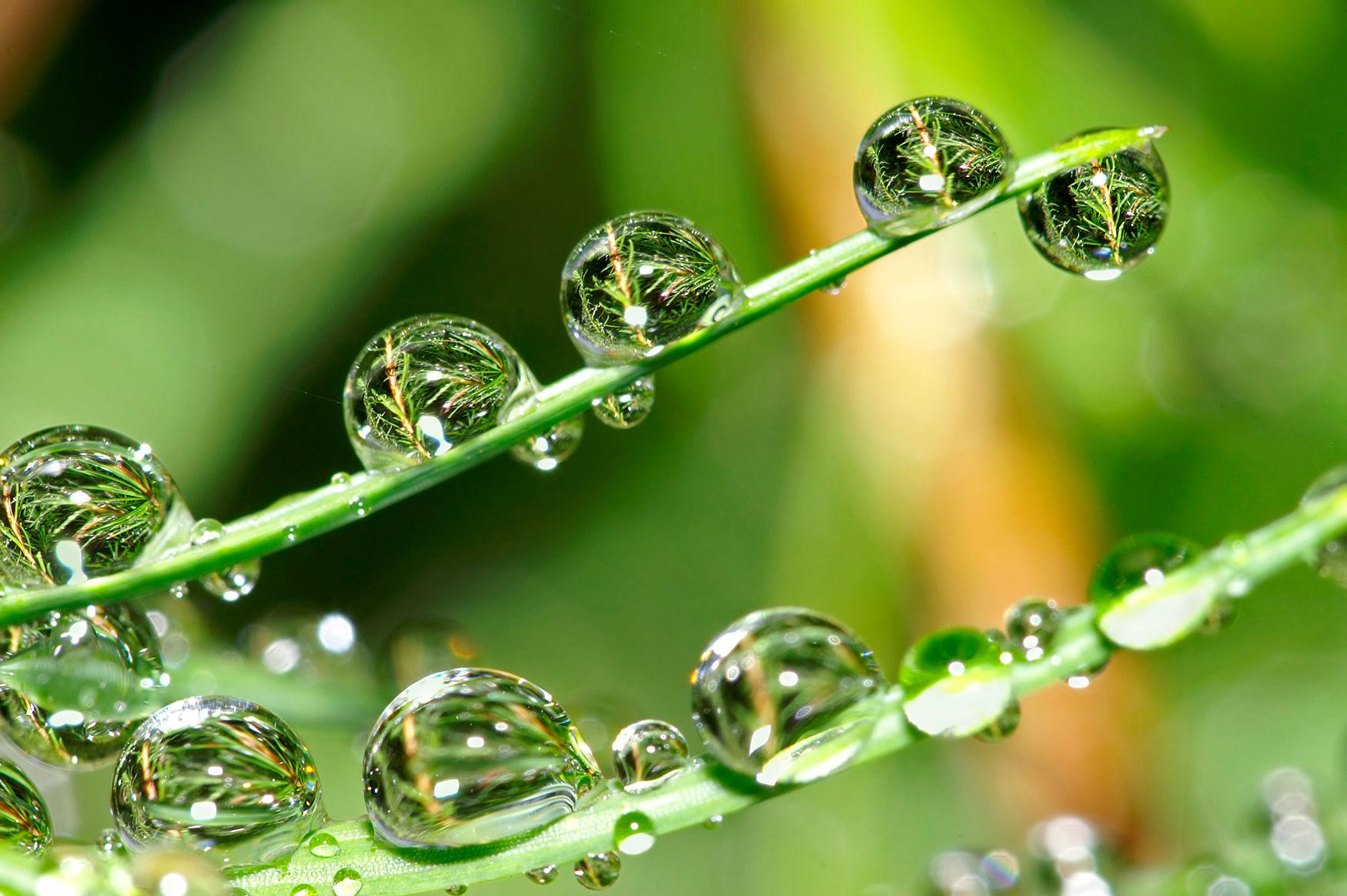
Water droplets behave like miniature lenses, refracting light and sometimes creating inverted reflections of their surroundings.
Early mornings are especially rewarding because dew may collect on flowers, grass, and spiderwebs, producing delicate and sparkling compositions.
4. Butterflies and the Art of Natural Patterns
Butterfly wings feature thousands of tiny scales arranged into spectacular patterns. Under magnification, these surfaces reveal remarkable textures and sometimes shimmering structural colors.
Macro photographers can explore the fine details of wings, antennae, eyes, and feeding structures.
5. The Hidden Architecture of Plants


10
Leaves, ferns, mosses, and seeds reveal complex natural geometry. Veins branch into delicate networks, leaf surfaces display intricate textures, and tiny mosses can resemble miniature forests.
These subjects are especially suitable for photographers learning about composition, symmetry, and texture.
6. Mushrooms and Forest Micro-Landscapes


12
The forest floor contains an entire miniature world. Small mushrooms, fungi, mosses, and lichens form landscapes that become dramatic when photographed from ground level.
Side lighting and carefully chosen backgrounds can create atmosphere while maintaining the subject’s natural appearance.
Essential Macro Photography Techniques
| Technique | Recommended approach |
|---|---|
| Magnification | A 1:1 macro lens for true macro photography |
| Aperture | Start around f/8–f/11, then adjust |
| Focus | Focus on eyes, pollen, or the dominant detail |
| Lighting | Soft morning light or diffused illumination |
| Stability | Tripod or carefully stabilized handheld shooting |
| Sharpness | Use focus stacking for stationary subjects |
| Composition | Simplify backgrounds and emphasize patterns |
Because depth of field becomes extremely shallow at high magnification, accurate focus is essential. Focus stacking combines several photographs taken at different focus distances to increase apparent sharpness.
Canon Canada
+2
Getting Started with Macro Photography
You do not necessarily need expensive equipment to begin exploring close-up photography. A modern smartphone with a macro mode, a close-focusing camera lens, or a dedicated macro lens can help you discover small details.
Start in a garden, park, or natural area. Look closely at leaves, insects, flowers, seeds, and water droplets. Experiment with shooting angles, natural light, and backgrounds. Always avoid disturbing wildlife or damaging delicate habitats.
Conclusion: A Universe Hidden in Plain Sight
Macro photography teaches us that extraordinary beauty often exists in the smallest places. The surface of a leaf, the wing of an insect, or a single drop of water can become an unforgettable photograph.
By slowing down and exploring nature closely, photographers discover a world of shapes, colors, and structures that might otherwise remain unnoticed.
WordPress SEO Details
SEO Title Copy
Macro Photography: Incredible Details of Nature | Bin3aiah Gallery
Meta Description Copy
Discover the hidden beauty of nature through macro photography. Explore fascinating close-ups of insects, flowers, water droplets and natural textures.
URL Slug Copy
macro-photography-incredible-details-of-nature
Focus Keyphrase
macro photography nature
WordPress Tags Copy
Macro Photography, Nature Photography, Close-Up Photography, Wildlife Photography, Insect Photography, Flower Photography, Water Droplets, Photography Tips, Nature Details, Focus Stacking, Creative Photography, Bin3aiah Gallery
Suggested category: Nature Photography / Macro Photography
Featured image recommendation: An extreme close-up of a butterfly or bee with exceptionally sharp details, vibrant colors, and a softly blurred natural background.
The image galleries above are visual references; confirm licensing before uploading any photographs to WordPress.
Technical references: Nikon Macro Photography Guide and Canon Macro Photography Tips.