

Views: 0
Architectural Marvels Around the World: Extraordinary Buildings That Define Human Creativity


4
From ancient pyramids to futuristic skyscrapers, architecture tells the story of human civilization. Across continents and centuries, architects, engineers, and builders have transformed ambitious ideas into extraordinary structures that continue to inspire millions.
Some architectural wonders celebrate faith and culture. Others demonstrate remarkable engineering achievements or redefine how modern cities look and function.
Explore ten of the world’s most impressive architectural marvels, discovering what makes each landmark exceptional.
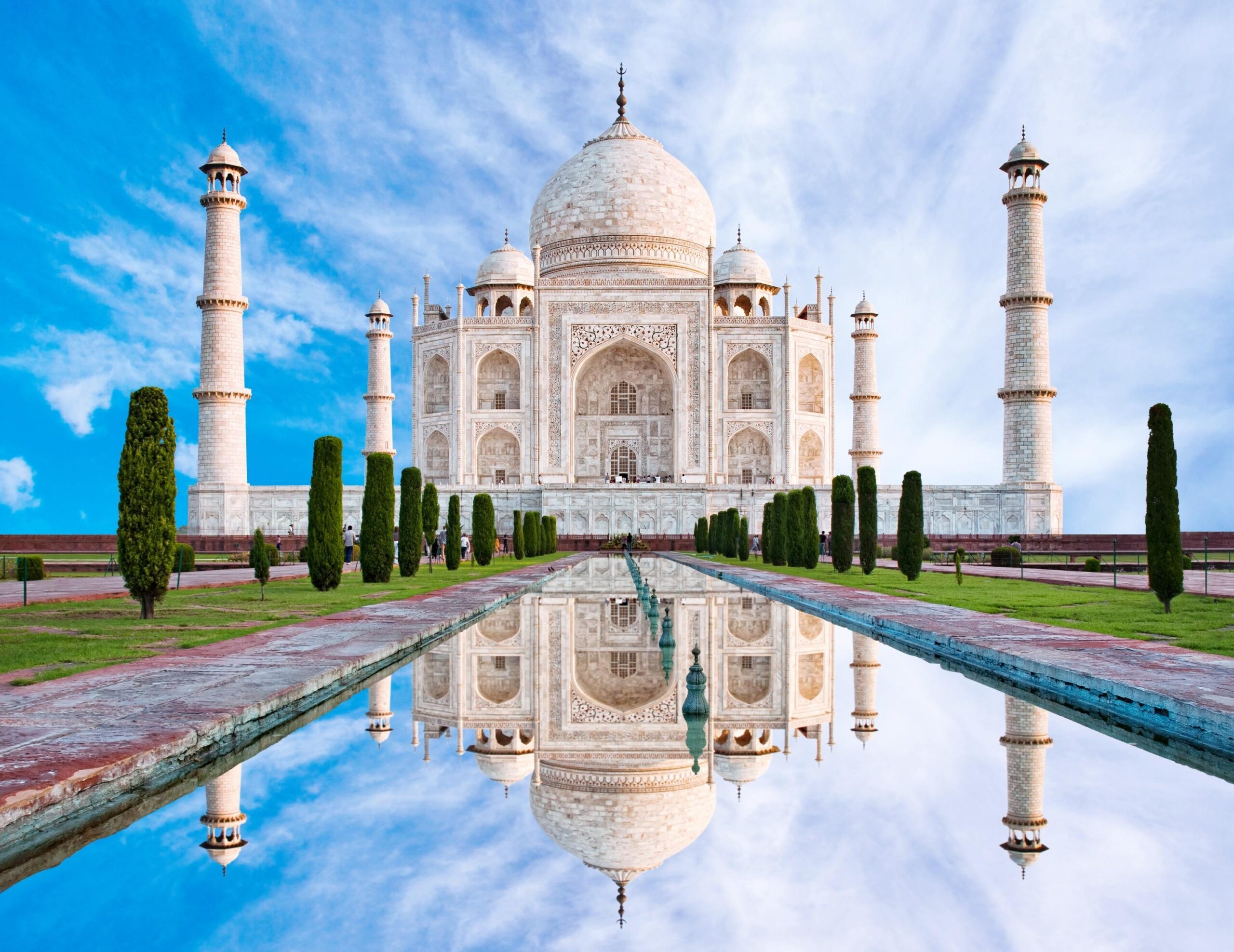
1. Taj Mahal — Agra, India

Built during the reign of Mughal emperor Shah Jahan in memory of his wife Mumtaz Mahal, the Taj Mahal is an extraordinary expression of Indo-Islamic architecture.
Its white marble dome, symmetrical gardens, intricate stone inlays, and elegant minarets create a harmonious composition. Construction of the main mausoleum took place between 1632 and 1648, with other sections completed later.
Architectural highlight: Remarkable bilateral symmetry, decorative marble inlay, and a carefully planned garden setting.
UNESCO World Heritage Centre
+1
2. Burj Khalifa — Dubai, UAE

Rising 828 metres above Dubai, the Burj Khalifa demonstrates how structural engineering can reshape a skyline.
Inaugurated on January 4, 2010, the tower was designed by Adrian Smith at Skidmore, Owings & Merrill. Its distinctive stepped profile and Y-shaped floor plan support its exceptional height.
Architectural highlight: A buttressed-core structural system, high-performance exterior cladding, and an innovative approach to extreme-height construction.
Burj Khalifa
+1
3. Sydney Opera House — Sydney, Australia

The Sydney Opera House is among the most recognizable examples of modern expressionist architecture.
Designed by Danish architect Jørn Utzon and opened in 1973, its interlocking concrete roof shells create a sculptural silhouette overlooking Sydney Harbour.
The project pushed the boundaries of architecture and structural engineering, becoming a UNESCO World Heritage Site in 2007.
Architectural highlight: Complex shell geometry that combines artistic expression with innovative engineering.
UNESCO World Heritage Centre
+1
4. Sagrada Família — Barcelona, Spain

The Sagrada Família is one of architect Antoni Gaudí’s most ambitious creations.
Its distinctive towers, intricate sculptural facades, and tree-like interior columns combine Gothic inspiration with organic forms drawn from nature.
Construction began in 1882, and the basilica has evolved through generations of architects and craftspeople.
Architectural highlight: Branching columns, geometric vaults, rich symbolism, and expressive stained glass.
5. Great Pyramid of Giza — Egypt

Constructed around 2560 BCE for Pharaoh Khufu, the Great Pyramid of Giza is one of humanity’s greatest ancient engineering achievements.
Originally measuring approximately 146.6 metres high, it was built using massive stone blocks arranged with exceptional precision.
It is the only surviving monument of the original Seven Wonders of the Ancient World.
Architectural highlight: Monumental stone masonry, carefully aligned geometry, and sophisticated ancient surveying.
6. Colosseum — Rome, Italy

The Colosseum, also known as the Flavian Amphitheatre, demonstrates the engineering sophistication of ancient Rome.
Built during the first century CE, this enormous arena hosted public spectacles, including gladiatorial contests. Its layered arches, vaulted passages, and organized circulation systems allowed large crowds to move through the structure.
Architectural highlight: Repeated stone arches, Roman concrete construction, and complex spectator-access systems.
Parco archeologico del Colosseo
7. Petra — Jordan

Hidden among dramatic sandstone mountains, Petra was once a thriving Nabataean trading city.
Rather than constructing every building from separate blocks, its ancient builders carved spectacular tombs and monuments directly into the rock.
Its sophisticated channels, cisterns, and water-management infrastructure made settlement possible in an arid environment.
Architectural highlight: Monumental rock-cut facades and sophisticated ancient hydraulic engineering.
UNESCO World Heritage Centre
8. Great Wall of China — China

The Great Wall of China is one of the largest defensive construction projects in human history.
Developed and extended by successive Chinese dynasties, its surviving network includes walls, fortresses, watchtowers, and military passages spanning more than 20,000 kilometres across different historical sections.
Architectural highlight: Defensive structures engineered to follow difficult mountain terrain and protect strategic routes.
UNESCO World Heritage Centre
9. Machu Picchu — Peru

Situated approximately 2,430 metres above sea level, Machu Picchu showcases the remarkable architectural skill of the Inca civilization.
Constructed during the fifteenth century, the settlement incorporates carefully fitted masonry, agricultural terraces, ceremonial spaces, and drainage systems.
Its architecture works with the steep Andean landscape rather than attempting to completely transform it.
Architectural highlight: Precisely fitted stonework, terraced engineering, and exceptional integration with the natural environment.
UNESCO World Heritage Centre
10. Eiffel Tower — Paris, France

Completed in 1889 for the Exposition Universelle, the Eiffel Tower became one of the defining structures of industrial-era engineering.
Its open iron lattice design provides structural strength while reducing weight and wind resistance. Originally controversial, the tower eventually became an internationally recognized symbol of Paris.
Architectural highlight: Efficient iron lattice construction and a pioneering approach to tall structural design.
Architectural marvels at a glance
| Landmark | Location | Architectural distinction |
|---|---|---|
| Taj Mahal | India | Mughal symmetry and marble craftsmanship |
| Burj Khalifa | UAE | Super-tall structural engineering |
| Sydney Opera House | Australia | Sculptural roof shells |
| Sagrada Família | Spain | Organic geometry and symbolic design |
| Great Pyramid | Egypt | Ancient monumental masonry |
| Colosseum | Italy | Roman arches and arena engineering |
| Petra | Jordan | Rock-cut architecture |
| Great Wall | China | Mountain defensive engineering |
| Machu Picchu | Peru | Inca stonework and terraces |
| Eiffel Tower | France | Iron lattice innovation |
Explore the architectural wonders on a map
4.8
4.5
4.7
4.7
4.7
4.6
4.7
4.8
4.9
4.6
Use two fingers to move the map
Use ctrl + scroll to zoom the map
Why architectural marvels matter
Great architecture goes beyond appearance. These extraordinary structures demonstrate how different civilizations approached challenges involving materials, geography, religion, public life, and engineering.
Ancient monuments reveal the precision achievable with limited technology, while modern skyscrapers demonstrate the possibilities created by advanced materials and digital structural analysis.
Preserving these buildings also protects cultural identity and historical knowledge for future generations.
Conclusion
From the timeless beauty of the Taj Mahal to the towering ambition of Burj Khalifa, architectural wonders show humanity’s ability to combine imagination with engineering excellence.
Each landmark represents more than an impressive construction project. It is a lasting expression of the culture, creativity, technology, and ambition of its era.
Website SEO publishing package
Suggested SEO title Copy
10 Architectural Marvels Around the World You Must See
URL slug
architectural-marvels-around-the-world
Meta description
Discover 10 architectural marvels around the world, from the Taj Mahal and Great Pyramid to Burj Khalifa and the Sydney Opera House.
Primary keyword
architectural marvels around the world
Suggested category: Architecture / World Wonders
Tags: Architecture, Famous Buildings, Historical Monuments, World Heritage, Engineering Wonders, Travel
Publishing media recommendation: Use a hero image featuring a genuine architectural landmark, plus at least ten verified landmark photographs and three embedded videos covering ancient architecture, modern skyscrapers, and structural engineering. Confirm image licences, credits, and video embedding permissions before publishing.
This article is prepared as website content; it has not been published to WordPress.


