

Views: 0
The Magic of Night Photography
GALLERY-003 | Photography Guide | Gallery Website Content


9
When the sun sets, a different world comes alive. City lights sparkle, stars emerge, and ordinary landscapes transform into extraordinary scenes.
Night photography is the art of capturing the beauty of the world after dark. Through careful exposure, creative composition, and an understanding of light, photographers can reveal details, colors, and atmospheres often invisible to the human eye.
From peaceful moonlit landscapes to bustling cities filled with glowing lights, nighttime offers limitless opportunities for creativity.
1. Why Night Photography Is So Special
During the day, sunlight reveals almost everything. At night, light becomes selective. A single illuminated window, a reflection on wet pavement, or the glow of the moon can become the main subject.
Night photography creates distinctive visual experiences through contrast, shadows, reflections, unusual colors, and long exposures. It can transform familiar streets into cinematic scenes and quiet landscapes into mysterious worlds.
2. Five Types of Night Photography
Cityscape Photography
Capture glowing skyscrapers, illuminated bridges, architecture, and reflections. City lights turn urban scenes into vibrant compositions.

Astrophotography
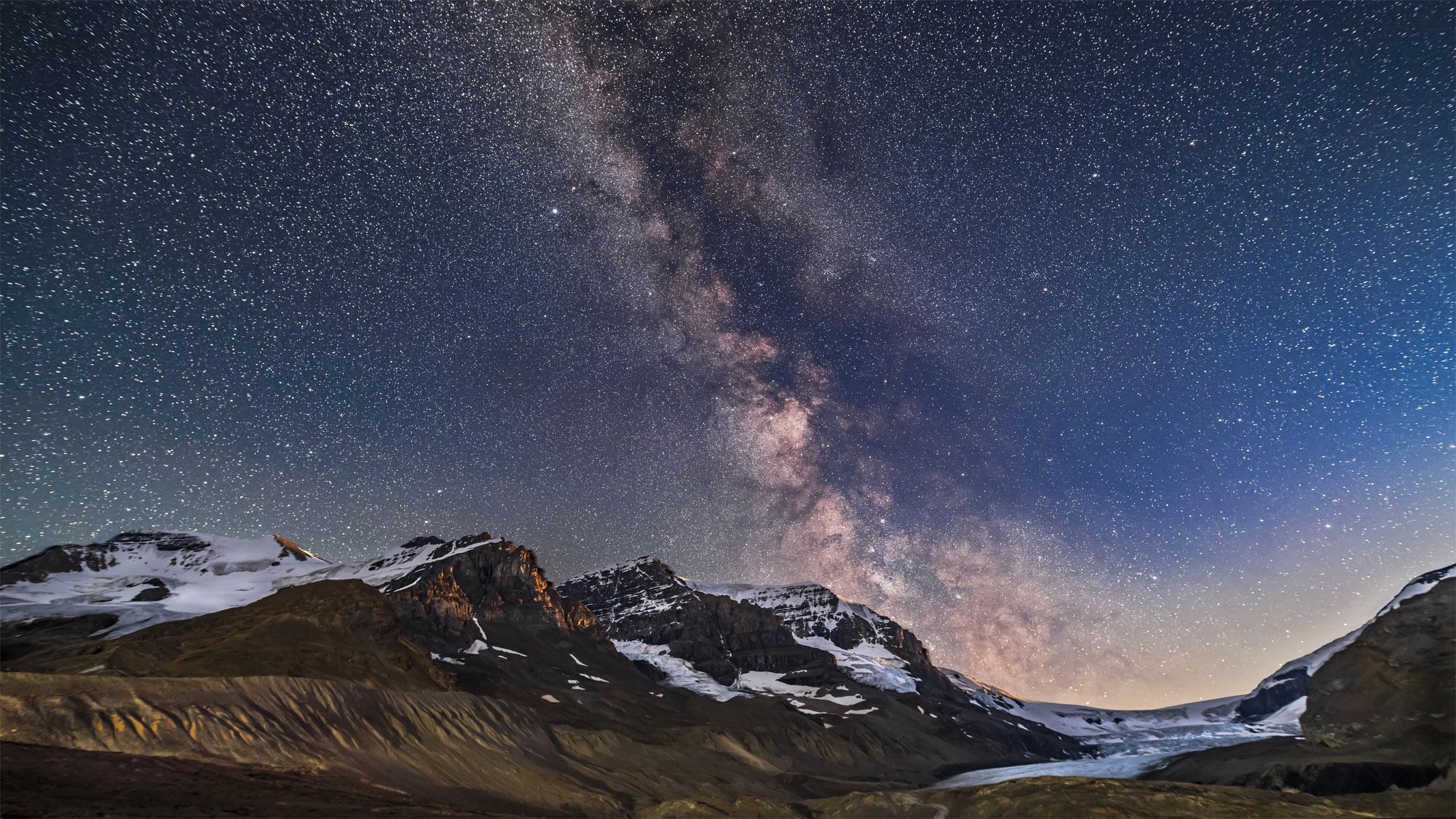
Photograph stars, constellations, the Milky Way, and celestial objects. Dark skies and careful focusing are essential.

Light Trail Photography
Use slow shutter speeds to transform moving vehicle lights into colorful flowing lines.

Moonlit Landscapes
Reveal peaceful deserts, mountains, oceans, and forests illuminated by natural moonlight.

Night Street Photography
Tell visual stories using silhouettes, streetlights, human activity, shadows, and nighttime atmosphere.
3. Understanding Camera Settings
Night photography requires a balance between aperture, shutter speed, and ISO. The ideal combination depends on the light available and whether the subject is moving.
| Photography style | Aperture | Shutter speed | ISO |
|---|---|---|---|
| City skyline | f/8 | 2–10 sec | 100–400 |
| Starry sky | f/2.8 | 10–20 sec | 1600–6400 |
| Light trails | f/8–f/11 | 5–30 sec | 100 |
| Night portrait | f/1.8–f/2.8 | 1/125 sec | 800–3200 |
| Moon photography | f/8 | 1/125 sec | 100–200 |
These are starting points, not fixed rules. Adjust according to lighting, focal length, subject movement, and your camera’s capabilities.
Nikon
+2
4. Essential Equipment
You do not need the most expensive camera to create memorable nighttime images. A few useful tools can make a significant difference.
- Camera with manual controls: A mirrorless camera, DSLR, or capable smartphone.
- Sturdy tripod: Keeps your camera stable during long exposures.
- Wide-aperture lens: Helps capture more light in dark environments.
- Remote shutter release or timer: Reduces movement when taking photographs.
- Extra batteries: Especially useful during long outdoor sessions.
Many modern smartphones also include Night Mode, which combines multiple exposures computationally to brighten scenes and reduce noise.
5. Creative Techniques Worth Trying

Light Painting
Use a flashlight or controlled light source during a long exposure to illuminate objects or create artistic patterns.

Blue Hour Photography
Photograph shortly after sunset or before sunrise, when the sky can develop rich blue tones that beautifully complement city lights.

Star Trails
Capture the apparent movement of stars caused by Earth’s rotation. Multiple exposures can be combined to create sweeping circular patterns.
6. Common Night Photography Mistakes
Avoid overexposing bright streetlights, raising ISO unnecessarily, using slow shutter speeds without stabilization, and forgetting to check focus. Shooting in RAW format, when available, gives greater flexibility for editing.
For star photography, choose a location away from strong artificial lighting. For city photography, look for reflections, leading lines, and interesting foreground subjects.
7. Night Photography in the UAE
The UAE offers striking contrasts between modern city skylines and open desert environments.


10
Dubai offers illuminated skyscrapers and architecture; Abu Dhabi offers waterfront and landmark photography; and darker desert locations, including areas around Liwa, can provide opportunities for photographing the stars when sky and weather conditions cooperate.
Always respect local photography restrictions, private property, people’s privacy, and nighttime desert safety.
Conclusion: Finding Beauty After Dark
Night photography teaches us to observe the world differently. It reveals how a small amount of light can transform an ordinary scene into something remarkable.
Whether photographing a brightly illuminated city, a silent desert, or thousands of stars, the secret is patience, experimentation, and imagination.
Sometimes, the most beautiful moments begin when daylight disappears.
Website Publishing Package
Content Metadata
Draft ready
| Field | Value |
|---|---|
| Content ID | GALLERY-003 |
| Website | gallery.bin3aiah.net |
| Category | Photography Techniques |
| Language | English |
| SEO title | The Magic of Night Photography: Tips & Techniques |
| URL slug | the-magic-of-night-photography |
| Focus keyword | Night Photography |
| Suggested tags | Night Photography, Long Exposure, Astrophotography, City Photography, Photography Tips |
| Status | Prepared — not published |
Meta description
Discover the magic of night photography. Learn camera settings, creative techniques, long exposure tips, and how to capture beautiful scenes after dark.
Image instructions for the publisher: Use a spectacular nighttime skyline or starry landscape as the featured image (recommended 1200 × 630 pixels). Include examples of astrophotography, light trails, moonlit landscapes, and urban night scenes. Images displayed here are visual references, not cleared publishing assets; verify licensing before reuse.
Reference sources: Nikon Night Sky Photography and Adobe Night Photography Guide.
This package is structured for the Gallery Website Publisher workflow. The article, SEO fields, visual direction, and source references are prepared, but no post has yet been created on WordPress.