

Views: 0
BIN3AIAH GALLERY • PHOTOGRAPHY & NATURE
Wildlife Portraits: Animals Up Close


10
Every animal has a story written in its eyes, expressions, and the extraordinary details of its natural appearance. Wildlife portrait photography brings those stories into focus, revealing a world of beauty that often goes unnoticed.
The art of wildlife portrait photography
Wildlife photography is more than documenting animals in their natural habitats. At its most intimate, it becomes portraiture: a way of revealing the unique features, character, and presence of a living creature.
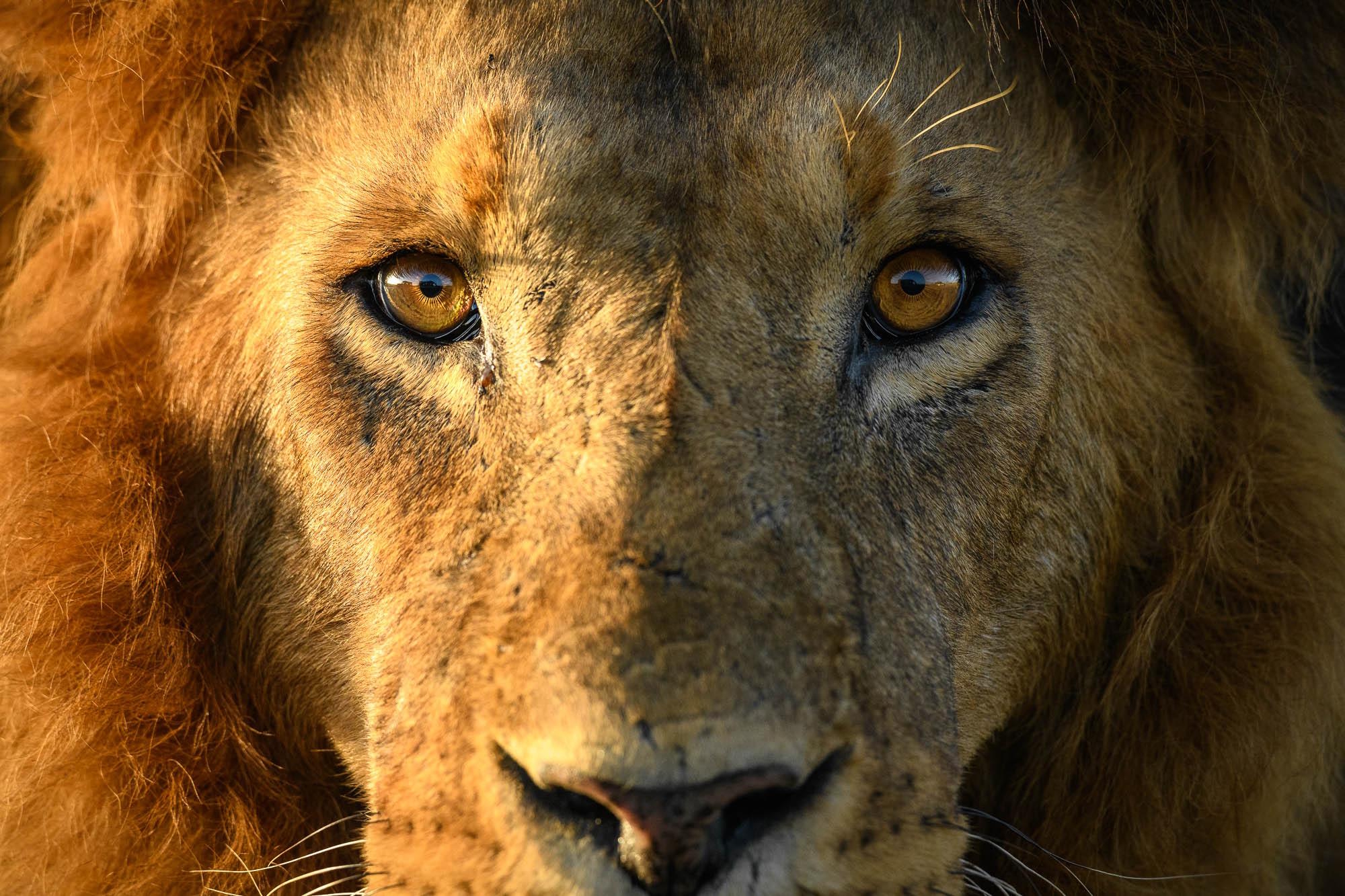
A lion’s powerful gaze, the delicate feathers surrounding an owl’s eyes, or the wrinkles of an elephant’s skin can transform an ordinary photograph into a striking visual experience.
Unlike traditional landscape wildlife photography, which often emphasizes animals within their environments, close-up portraits concentrate on facial features, textures, colors, and expressions.
The best wildlife portraits communicate a sense of connection while allowing the animal to behave naturally and without disturbance.
Ten extraordinary wildlife portrait subjects

1. Lion — The majestic gaze
A lion’s golden eyes, powerful muzzle, and magnificent mane create a portrait of strength. Side lighting can reveal the rich texture of its fur and the contours of its face.

2. Tiger — Beauty in every stripe
The tiger’s bold facial markings create a remarkable natural pattern. A tightly framed portrait highlights its symmetry, whiskers, and amber eyes.

3. Elephant — A face full of detail
Wrinkled skin, long eyelashes, and expressive eyes make elephants compelling portrait subjects. Their faces reveal intricate textures shaped by age and environment.

4. Red Fox — Elegance and curiosity
A fox’s pointed ears, bright eyes, and reddish coat create beautiful color contrasts, particularly against a softly blurred green or snowy background.

5. Owl — The silent observer
Large forward-facing eyes and delicate facial feathers provide a naturally dramatic composition. Every feather contributes to the portrait’s striking texture.

6. Gorilla — Expression and presence
Gorillas make particularly powerful subjects because of their prominent facial features, expressive eyes, and subtle changes in posture.

7. Snow Leopard — The mountain ghost
Thick patterned fur, pale eyes, and a rounded face provide exceptional photographic detail. Its natural camouflage produces fascinating close-up compositions.

8. Giant Panda — Natural contrast
Black ears, dark eye patches, and white facial fur form an instantly recognizable portrait. Gentle, even lighting helps preserve detail in both dark and light areas.

9. Cheetah — Grace and precision
A cheetah’s distinctive dark tear marks, spotted coat, and focused gaze create an elegant, naturally graphic composition.

10. Lemur — Eyes full of character
The lemur’s bright eyes, contrasting facial markings, and expressive ears offer the opportunity to create playful, memorable wildlife portraits.
How photographers capture stunning animal portraits


8
Focus on the eyes
Eyes are often the strongest focal point in wildlife portraiture. When the eyes are sharp and clearly visible, viewers feel more connected to the animal. Photographing from the animal’s eye level can also create greater intimacy. These principles are recommended by the U.S. Fish & Wildlife Service.
U.S. Fish & Wildlife Service
Use natural light
Early morning or late afternoon sunlight produces gentle highlights and attractive shadows. Overcast conditions can also work beautifully, particularly when photographing detailed feathers or dark fur.
Choose the right lens
A telephoto lens allows photographers to capture close-looking portraits while maintaining a safe physical distance. Depending on the animal and environment, focal lengths around 300–600mm can be useful for wildlife portraiture.
Simplify the background
A softly blurred background separates the subject from distracting details. This helps emphasize the animal’s eyes, fur, patterns, and facial features.
Practice patience and respect
The most important skill is knowing when not to take a photograph. Never pursue, feed, frighten, or interfere with wildlife to obtain a better image.
National Geographic and Audubon both emphasize respecting animal behavior and keeping a safe distance.
National Geographic
+1
Wildlife portraits and conservation
Close-up wildlife photography can also contribute to conservation awareness.
By presenting animals as remarkable individuals rather than distant figures in a landscape, portraits can encourage curiosity about their habitats, behaviors, and the threats they face.
A powerful image may inspire someone to learn about endangered species, support responsible conservation projects, or develop a greater respect for nature.
Great wildlife photography should celebrate animals without compromising their welfare.
Final thoughts
Wildlife portraits reveal the extraordinary details of the natural world. Whether the subject is a powerful tiger, a curious fox, or a tiny bird, each portrait offers an opportunity to see familiar animals from an entirely new perspective.
The most memorable photograph is not necessarily the closest one. It is the image that captures authentic behavior, remarkable detail, and a sense of connection while leaving the animal undisturbed.
Look closely. Every face in the wild tells a story.
SEO and publishing package
GALLERY-CONTENT-003
Prepared draft
Website
gallery.bin3aiah.net
SEO title
Wildlife Portraits: Stunning Close-Up Animal Photography
URL slug
wildlife-portraits-animals-up-close
Meta description
Explore stunning wildlife portraits of lions, tigers, owls and more. Discover animal close-up photography, techniques and remarkable natural details.
Focus keyword
Wildlife portraits
Suggested category
Wildlife Photography
Tags
Wildlife portraits, Animal photography, Nature photography, Close-up photography, Wild animals, Photography gallery
Publisher media checklist
The article includes ten suggested animal portrait subjects. The displayed photos are visual references, not cleared website assets.
For a legally reusable gallery, the publisher can select properly licensed files from Wikimedia Commons’ close-up animal photography collection. Each image needs its individual license, creator credit, and attribution checked.
Wikimedia Commons
Three recommended video topics to source and verify are wildlife portrait photography techniques, behind-the-scenes animal photography, and animal conservation storytelling. Suitable starting points are National Geographic photography videos, BBC Earth animal close-ups, and Joel Sartore’s Photo Ark. These are discovery links, not three verified individual video embeds.
Publishing status: Article and SEO copy are prepared. Featured-image licensing, gallery asset selection, three individual video embeds, and WordPress publication remain outstanding.