Europa
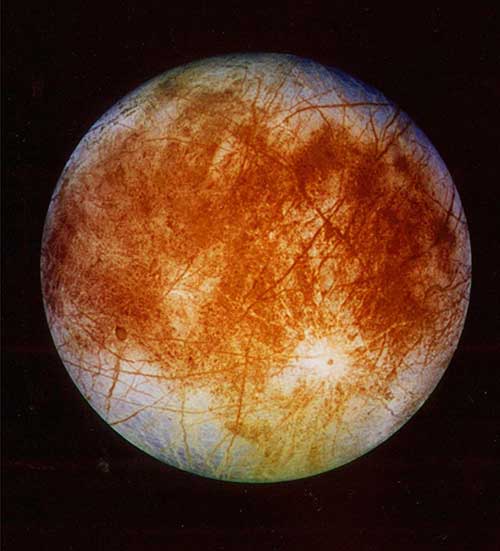
Views: 140Introduction Europa /jʊˈroʊpə/ ⓘ, or Jupiter II, is the smallest of the four Galilean moons orbiting Jupiter, and the sixth-closest to the planet of all the 95 known moons of Jupiter. It is also the sixth-largest moon in the…

All About Gallery!
All About Gallery!

Views: 140Introduction Europa /jʊˈroʊpə/ ⓘ, or Jupiter II, is the smallest of the four Galilean moons orbiting Jupiter, and the sixth-closest to the planet of all the 95 known moons of Jupiter. It is also the sixth-largest moon in the…
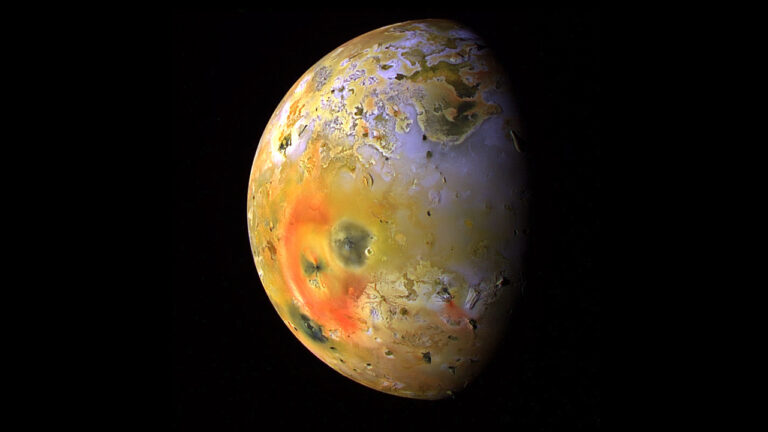
Views: 94Introduction Io (), or Jupiter I, is the innermost and second-smallest of the four Galilean moons of the planet Jupiter. Slightly larger than Earth’s moon, Io is the fourth-largest moon in the Solar System, has the highest density of…
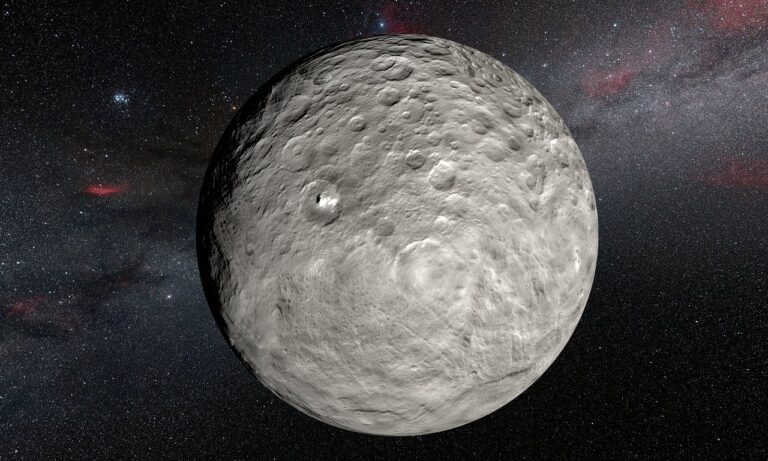
Views: 97Introduction Ceres (minor-planet designation: 1 Ceres) is a dwarf planet in the middle main asteroid belt between the orbits of Mars and Jupiter. It was the first known asteroid, discovered on 1 January 1801 by Giuseppe Piazzi at Palermo…
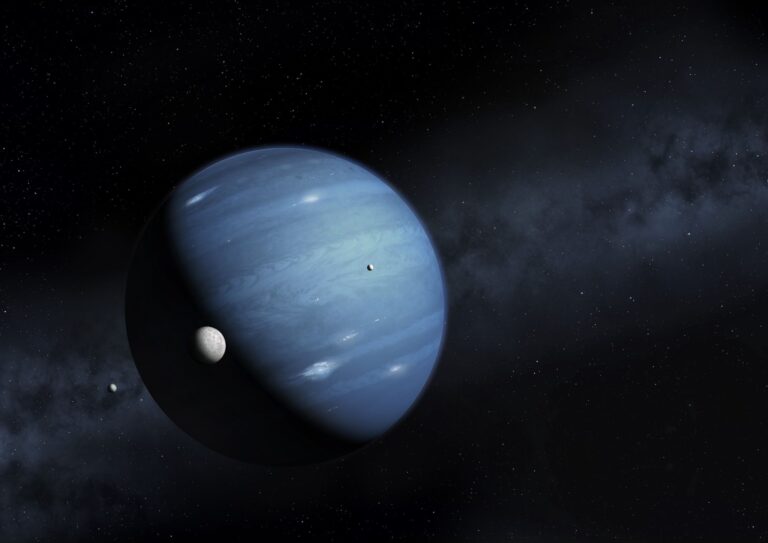
Views: 102Introduction Planet Nine is a hypothetical ninth planet in the outer region of the Solar System. Its gravitational effects could explain the peculiar clustering of orbits for a group of extreme trans-Neptunian objects (ETNOs), bodies beyond Neptune that orbit…
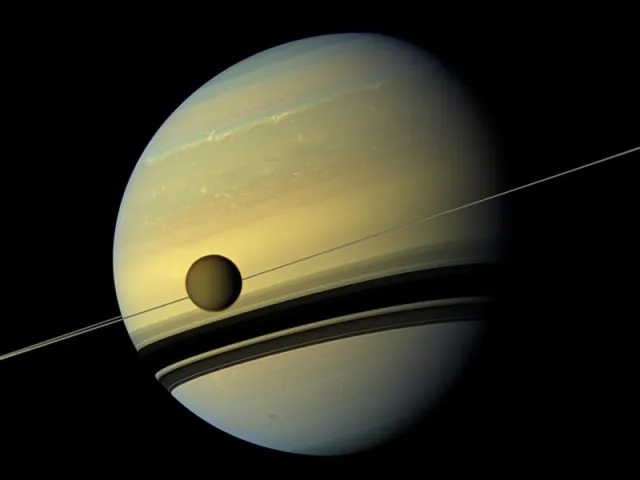
Views: 103Introduction Titan is the largest moon of Saturn and the second-largest in the Solar System, larger than any of the dwarf planets of the Solar System. It is the only moon known to have an atmosphere denser than the…
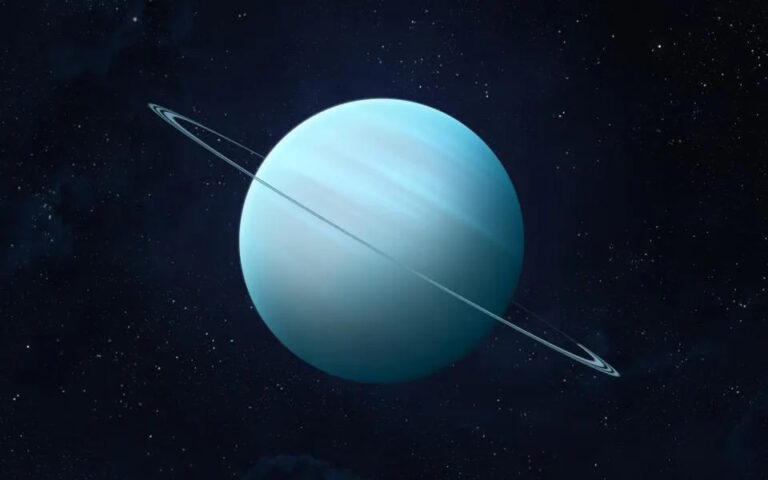
Views: 78Introduction Uranus is the seventh planet from the Sun. It is a gaseous cyan-coloured ice giant. Most of the planet is made of water, ammonia, and methane in a supercritical phase of matter, which in astronomy is called ‘ice’…
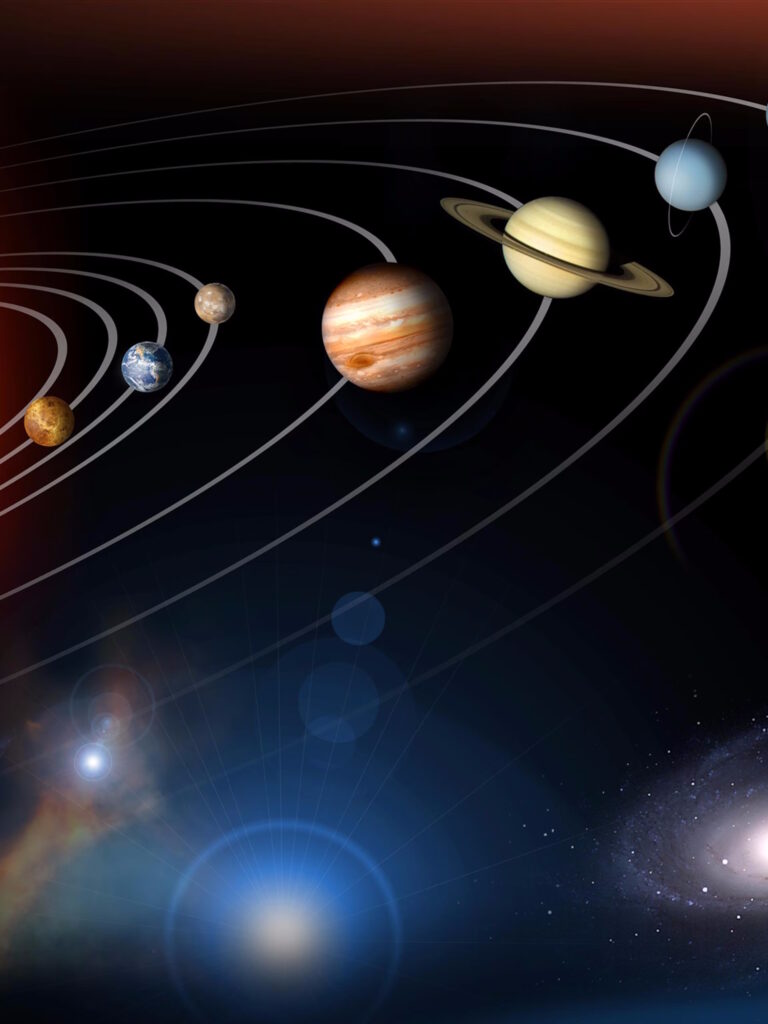
Views: 78Introduction The Solar System is the gravitationally bound system of the Sun and the objects that orbit it. It was formed 4.6 billion years ago when a dense region of a molecular cloud collapsed, forming the Sun and a…
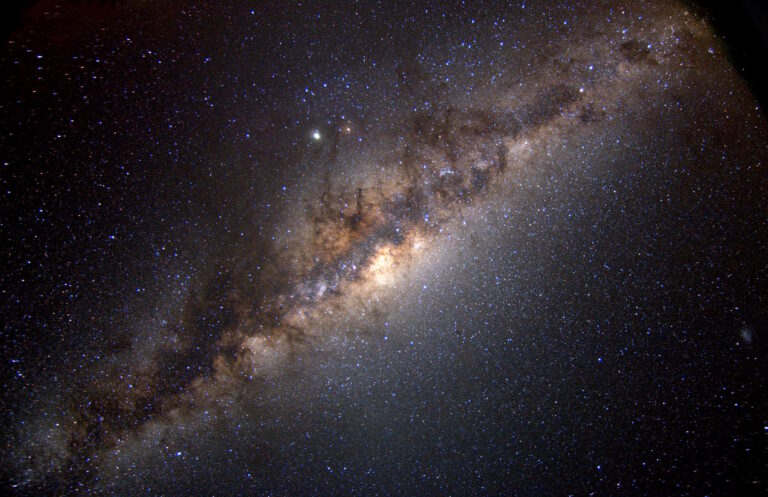
Views: 73Introduction The Milky Way is the galaxy that includes the Solar System, with the name describing the galaxy’s appearance from Earth: a hazy band of light seen in the night sky formed from stars that cannot be individually distinguished…
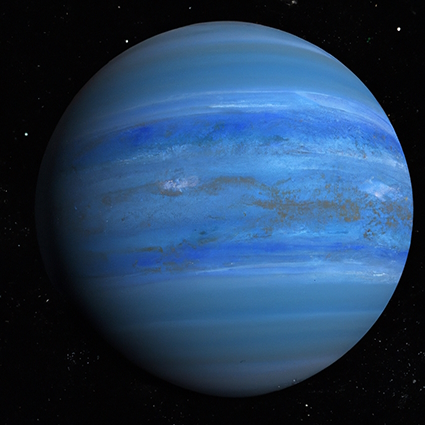
Views: 74Introduction Neptune is the eighth and farthest known planet from the Sun. It is the fourth-largest planet in the Solar System by diameter, the third-most-massive planet, and the densest giant planet. It is 17 times the mass of Earth,…
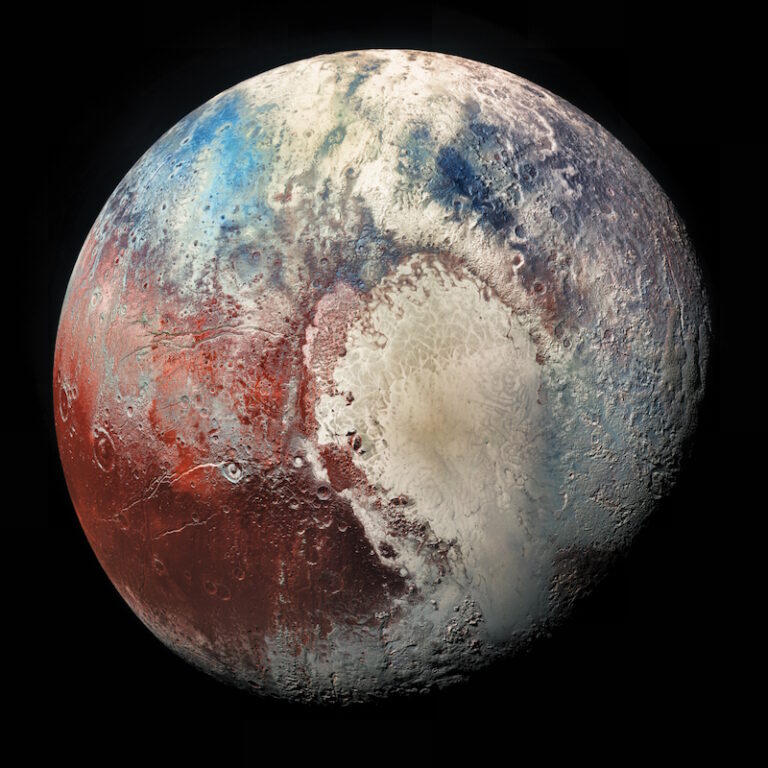
Views: 78Introduction Pluto (minor-planet designation: 134340 Pluto) is a dwarf planet in the Kuiper belt, a ring of bodies beyond the orbit of Neptune. It is the ninth-largest and tenth-most-massive known object to directly orbit the Sun. It is the…